Curating a home that reflects one’s personality involves more than just selecting furniture and decor; it requires a thoughtful consideration of personal tastes and lifestyle. Each choice speaks volumes about who they are, their experiences, and their aspirations. A well-curated space not only enhances their daily living experience but also creates an inviting atmosphere for guests to feel at home.
By incorporating unique artifacts, color palettes, and arrangement styles, individuals can transform their environment into a personal sanctuary. This allows them to express their identity and tell their story through every element in their home. Design choices can evoke emotions and memories, making each room a reflection of their journey and values.
Understanding the balance between functionality and aesthetics is key. Each element should serve a purpose while contributing to the overall narrative of the space. A harmonious blend of style and comfort ensures that the home remains a true reflection of the individual’s personality, creating a place where they truly belong.
Defining Your Unique Home Style
Creating a space that resonates with individual identity requires an understanding of personal preferences, values, and design choices. Exploring these areas helps shape a home that feels both authentic and inviting.
Understanding Your Style Preferences
Identifying style preferences involves examining different design aesthetics. Popular styles include:
- Modern: Characterized by clean lines and minimalism.
- Traditional: Features classic furnishings and rich textures.
- Eclectic: Combines various styles, often reflecting personal travels or interests.
To pinpoint personal style, one can use resources such as:
- Mood boards: Assemble images that align with individual tastes.
- Design magazines: Keep an eye out for inspirational layouts.
- Online quizzes: User-friendly tools can help clarify preferences.
Reflecting on personal experiences and lifestyles also aids in this discovery process.
Incorporating Personal Values and Storytelling
Valuing personal beliefs enhances the emotional depth of home decor.
Incorporate significant items into the design, such as:
- Family heirlooms: These pieces tell stories and connect generations.
- Artworks: Pieces that resonate with personal history provide a sense of belonging.
Creating a narrative through decor can turn spaces into meaningful representations of self.
Consider showcasing collections or souvenirs. Each item can spark conversations, making the home not just a living space but a storytelling canvas.
Translating Personality into Design Choices
The final step involves translating preferences and values into tangible design elements.
Key choices can include:
- Color palettes: Choose colors that evoke the desired mood, such as calming blues or energizing yellows.
- Furniture selection: Opt for pieces that align with personal comfort and functionality.
- Textiles and patterns: Layering different materials adds depth and warmth.
Each design choice should reflect individual personality. A well-curated home emerges when every element, from artwork to furniture, tells a cohesive story about who resides within.
Building a Personalized Foundation
Creating a personalized foundation for a home involves careful consideration of color, unique pieces, and textures. These elements work together to establish a distinctive environment that resonates with individual style.
Choosing a Meaningful Color Palette
Selecting a color palette is essential for setting the mood of a space. Individuals should reflect on colors that evoke specific emotions or memories.
Tips for a Meaningful Color Palette:
- Identify Favorites: Focus on shades that individuals naturally gravitate toward.
- Consider Lifestyles: Light colors can create an airy feel, while deep hues add warmth.
- Use Color Theory: Complementary colors can enhance aesthetic appeal, while analogous colors create harmony.
Testing paint swatches on walls can help visualize the final outcome. Combining different hues can also create dynamic visual interest without overwhelming the senses.
Selecting Statement Pieces and Artwork
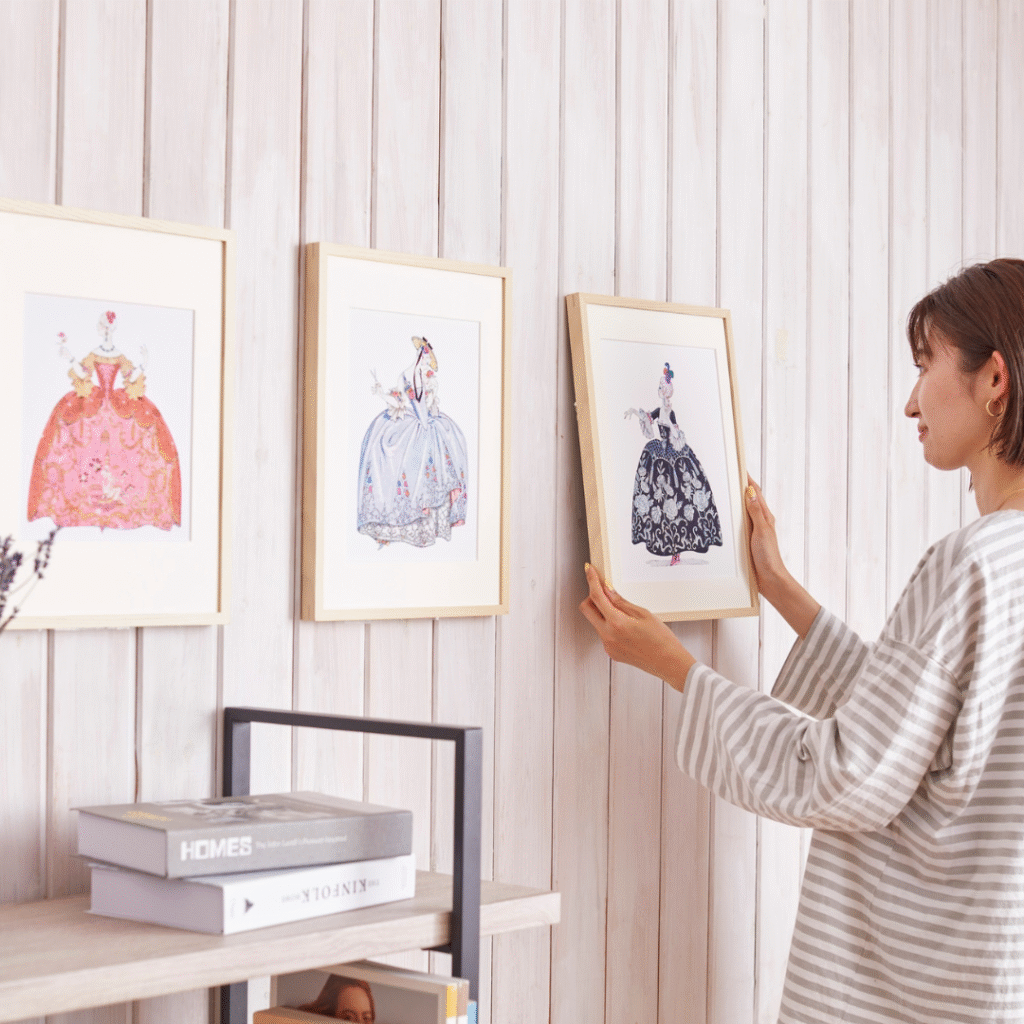
Statement pieces and artwork showcase personal taste and can become focal points in a room. Selecting items that hold significance or spark joy can transform a space.
Considerations for Statement Pieces:
- Personal Meaning: Choose pieces that tell a story or celebrate experiences.
- Size and Scale: Consider the scale of the items in relation to the space. A large artwork may dominate a small area, while smaller pieces can complement a more expansive wall.
- Curated Collection: Create a balanced display by mixing textures and styles, ensuring cohesion across selections.
Thoughtfully arranged artwork and statement pieces can significantly enhance a room’s character, making it unmistakably personal.
Layering Textures and Materials
Layering various textures and materials adds depth and interest to a home. This approach can create a cozy atmosphere while reflecting personal style.
Strategies for Texturing:
- Mix Materials: Combine wood, metal, fabric, and glass to create contrast. Each material contributes to the overall feel of the space.
- Vary Textiles: Use throw pillows, rugs, and curtains to introduce softness and warmth. Different textiles can evoke different sensations and moods.
- Incorporate Patterns: Integrating patterned items can enliven a room. It’s important to balance these with solid colors to prevent visual overload.
A well-layered environment communicates a sense of warmth while inviting personal expression.
Curating Thoughtful Spaces
Creating thoughtful spaces involves intentional choices about what to keep and how to display items that resonate. This process leads to a home environment that not only feels personal but also functions well for daily living.
Decluttering and Mindful Selection
Decluttering is a vital first step in curating spaces that reflect personal taste. This process involves assessing every item in a room and deciding whether it serves a purpose or brings joy.
A method like the Marie Kondo approach can be helpful. It encourages keeping items that “spark joy.” To begin, one can:
- Sort items by category (clothes, books, etc.).
- Decide on each item’s value.
- Donate or recycle items that no longer serve a purpose.
Mindful selection should guide what remains. Choosing pieces that align with personal aesthetics and functional needs creates a streamlined atmosphere.
Showcasing Personal Collections and Memories
Collections and memories are powerful elements of home curation. Displaying personal items helps tell a story about the individual’s journey.
Whether it’s a collection of vintage cameras or a series of travel photographs, every item should have a designated spot. Here are some ideas for showcasing:
- Wall-mounted displays for collections allow easy viewing.
- Shelving units can help highlight books or memorabilia.
- Gallery walls serve as a striking backdrop for photos and art.
Incorporating these collections contributes individuality and invites conversation.
Balancing Old and New Elements
A harmonious blend of old and new pieces brings depth to a space. Vintage items add character, while newer furniture can provide comfort.
To achieve this balance:
- Mix textures and colors from different eras. For example, pair a mid-century modern chair with an antique side table.
- Use accessories, like cushions or throws, to tie together disparate styles.
- Keep the overall color palette consistent to create a unified look.
This thoughtful curation approach defines spaces that feel both timeless and contemporary.
Elevating Ambience with Personal Touches
Creating a welcoming atmosphere involves more than just furniture arrangement. Thoughtful selection of lighting, scent, and texture can significantly enhance the personal feel of a space.
Lighting for Mood and Functionality
Illumination plays a vital role in setting the right mood. Different light sources can evoke various feelings. For example, warm white bulbs create a cozy ambiance, while cooler white lighting can be energizing.
Consider layering lighting options such as table lamps, overhead fixtures, and wall sconces to create depth. Dimmers are also essential, enabling flexible control over brightness levels. Highlighting areas like artwork with spotlights can add a dramatic effect.
To maximize functionality, ensure ample task lighting in work areas and bedside lamps for reading. Prioritizing both aesthetics and purpose will craft a balanced feel throughout the home.
Integrating a Smart Lighting System
A smart lighting system enhances both convenience and customization. Homeowners can adjust brightness, color, and even timing from a smartphone or voice-enabled device. This technology allows for effortless transitions between different settings.
Many systems support scheduling functions, which can help align lighting with daily routines. For instance, they can gradually brighten in the morning to mimic a natural sunrise, promoting a gentle wake-up process.
Compatibility with smart home assistants enhances usability. Integration with security systems can provide additional safety at night. It creates a responsive environment that adapts to specific needs and preferences.
Using Scent and Texture for Atmosphere
In addition to lighting, scent and texture significantly affect ambiance. Utilizing essential oil diffusers or scented candles can provide personalized fragrances throughout the home. Each scent can evoke memories or create desired moods, such as lavender for relaxation or citrus for energy.
Textural elements, including woven blankets or plush cushions, add tactile warmth. Mixing materials like wood, metal, and fabric creates visual interest, making spaces feel more inviting.
Incorporating natural elements like plants can enhance both air quality and aesthetic appeal. Combining scent with thoughtfully chosen textures completes the sensory experience, resulting in a harmonious and unique environment.