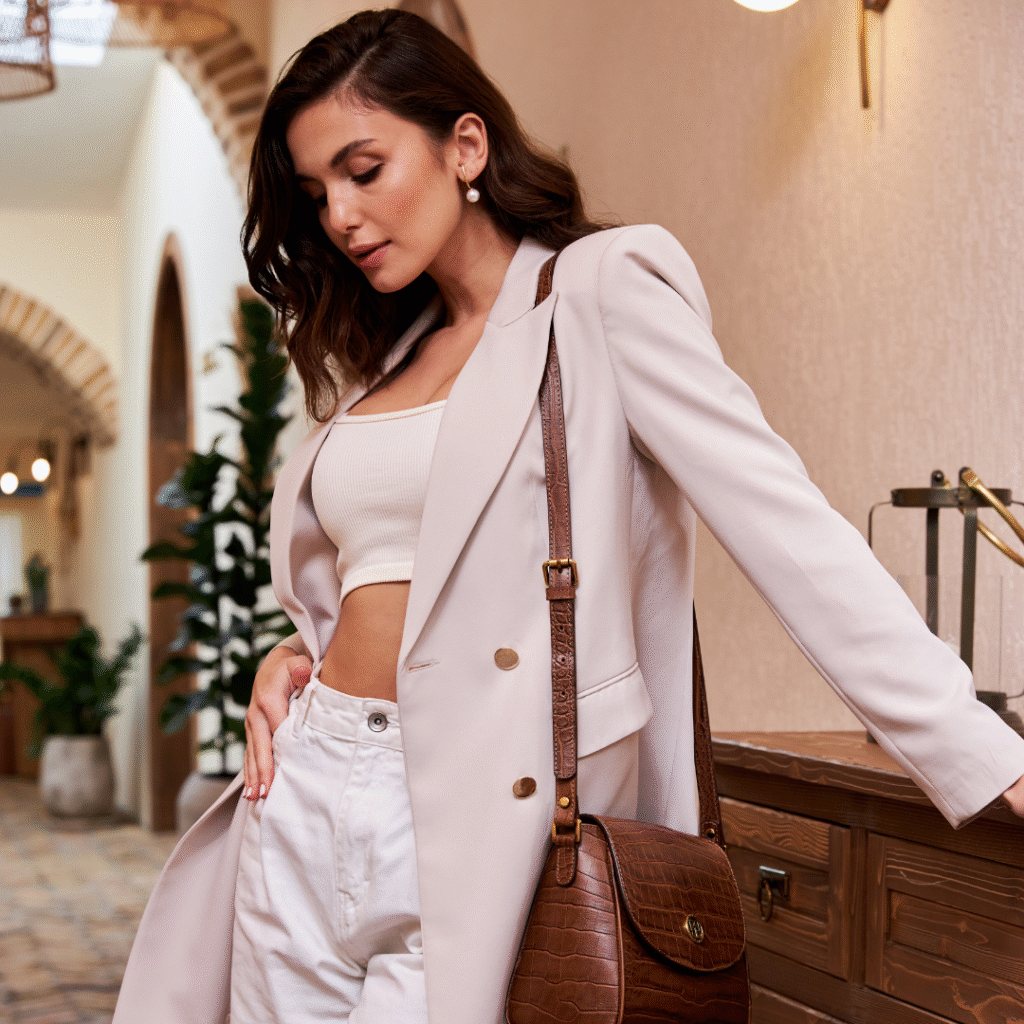
Creating a signature style can seem daunting, especially when budget constraints come into play. With the right approach, it is entirely possible to develop a unique aesthetic that showcases personality without overspending. Finding affordable pieces that reflect individuality often leads to surprising creativity and resourcefulness in wardrobe choices.
Exploring thrift stores and online marketplaces can yield hidden gems that contribute to a distinctive look. She might mix high and low fashion or invest in key statement pieces that elevate her entire wardrobe. By focusing on versatility and quality over quantity, he can curate a collection that offers both style and functionality.
Ultimately, building a signature style is about understanding personal preferences and getting creative with what’s available. It encourages a thoughtful approach to fashion that values uniqueness and self-expression, proving that style does not have to come with a hefty price tag.
Why Signature Style Matters for Personal Branding
A well-defined signature style plays a crucial role in cultivating an effective personal brand. It connects self-expression and identity, leading to greater recognition and authenticity in various social and professional settings.
Defining Signature Style and Its Impact
Signature style represents an individual’s unique approach to fashion and presentation. It encompasses personal choices in clothing, accessories, and grooming. By establishing a distinct signature style, one can make a memorable impression that aligns with their personal brand.
This impact is significant. People often form first impressions based on appearance. A clear signature style can evoke trust and credibility. This authenticity can help differentiate an individual in crowded markets, enhancing their visibility and appeal.
Signature Style Versus Trends
Trends change frequently, often leading individuals to reconsider their appearance based on fleeting fads. Conversely, a signature style is timeless and reflects personal values and preferences. While trends may offer temporary excitement, they can dilute one’s personal brand.
By focusing on a signature style, individuals maintain a consistency that can become synonymous with their identity. This ability to resist trends fosters flexibility and self-assuredness. A personal brand grounded in a signature style transcends superficial changes, ensuring long-term recognition.
Building Confidence Through Self-Expression
Creating a signature style facilitates self-expression, allowing individuals to showcase their personality authentically. When one’s appearance resonates with their inner self, confidence naturally follows. This newfound assurance can enhance communication skills and interpersonal interactions.
Moreover, establishing a personal brand through signature style encourages others to perceive the individual as more approachable and relatable. It can serve as an icebreaker in various scenarios, making networking and relationship-building more seamless. When self-expression is genuine, it resonates powerfully and memorably with others.
Steps to Creating a Unique Signature Style on a Budget
Creating a unique signature style on a budget involves careful evaluation of existing wardrobe pieces, thoughtful selection of colors, and strategic use of accessories. These steps help build a distinctive look without significant financial investment.
Evaluating Your Wardrobe
Assessing the current wardrobe is essential. Begin by determining which items are frequently worn and which pieces have the potential for creative combinations.
She can create categories such as:
- Favorite pieces
- Occasional wear
- Items for donation
This helps identify the core items that align with her desired style. It’s important to consider versatility. Key pieces should work well together and be adaptable for various occasions.
Additionally, he should take note of the clothing condition. Well-fitting garments, even if basic, can often be styled effectively. This evaluation creates a foundation for building a personal style while minimizing unnecessary purchases.
Choosing Your Color Palette
A cohesive color palette is fundamental in developing personal style. She can choose a mix of neutrals and accent colors that resonate with her personality.
Consider the following colors:
- Neutrals: black, white, beige
- Accent colors: teal, mustard, burgundy
Creating a chart can help visualize combinations. By limiting the palette to five or six colors, she can ensure that all pieces complement one another effortlessly.
This approach simplifies shopping and wearing clothing. When seeking new items, it becomes easier to reject those that don’t match the established color scheme. Ultimately, a well-chosen palette enhances a unique style while keeping costs down.
Using Accessories Strategically
Accessories can transform an outfit without a significant investment. They serve as the perfect tools to express individuality and elevate basic looks.
She should consider various types of accessories:
- Scarves
- Statement jewelry
- Hats
- Belts
Investing in a few quality pieces can make a big impact. For example, a bold necklace can turn a plain blouse into a standout outfit. Alternatively, layering different accessories can create unique combinations.
While it’s tempting to overload on accessories, selecting a few standout items will maintain a polished appearance. This strategic use of accessories allows for personalization without overspending.
Experimenting with Affordable Pieces
In trying to develop a signature style, exploring affordable fashion options is key. Thrift stores, online marketplaces, and budget-friendly retailers offer diverse choices that can help build a unique wardrobe.
She can focus on several strategies:
- Thrift Shopping: Look for vintage items that are unique and offer character.
- Mix and Match: Combine high-end pieces with budget items.
- DIY Projects: Personalize simple items through basic sewing or alterations.
These practices enable experimentation and creativity. Instead of committing to expensive trends, trying various inexpensive pieces leads to discovering what truly resonates with her style.
By carefully selecting and combining affordable items, she can create a distinctive look that reflects her personality.
Drawing Inspiration and Refining Your Signature
Finding inspiration is crucial for developing a unique style. It involves gathering ideas and insights from various platforms, as well as seeking constructive feedback. By engaging with these resources, one can cultivate a signature that feels authentic and personal.
Utilizing Pinterest and Mood Boards
Pinterest is a powerful tool for visual inspiration. Users can create boards dedicated to their style preferences. By saving images of outfits, color palettes, and accessory ideas, they can curate a collection that resonates with them.
A mood board solidifies these ideas. This physical or digital collage helps visualize the aesthetic one aims to achieve. It can include clothing items, textures, and colors, serving as a reference point during shopping or outfit planning.
Creating a mood board can streamline decision-making. When shopping for new items, referring to this visual guide keeps the focus on achieving a cohesive look.
Learning from Instagram and Fashion Icons
Instagram serves as a platform to explore diverse styles through influencers and fashion icons. Following individuals who embody desired aesthetics can provide practical outfit ideas, styling techniques, and trend insights.
Engagement is key. Saving favorite posts or utilizing Instagram Stories allows users to reference looks that inspire them. Observing how these icons mix and match pieces can reveal innovative ways to refresh a wardrobe without overspending.
Hashtags can also be instrumental. Searching terms like #streetstyle or #vintagefashion reveals an array of styles, further expanding one’s fashion horizon.
Refining Your Style through Feedback and Consistency
Feedback from trusted friends or family can help refine style choices. They may offer perspectives on fits, color combinations, or overall vibes. Constructive criticism enables individuals to make informed decisions that align with personal preferences.
Moreover, consistency is essential for defining a signature style. Wearing certain styles repeatedly builds confidence and reinforces identity. Over time, an individual’s comfort in particular looks will become evident, making it easier to curate future outfits.
Documenting outfits through photos can track progress. This practice helps identify what works and what doesn’t, ultimately leading to a more polished, distinctive look.
Maintaining Your Signature Style in a Digital World
In today’s digital landscape, maintaining a distinctive style requires intentional strategies that blend personal branding with online presence. Key elements include the effective use of digital signatures and showcasing style across various platforms.
Integrating Digital Signatures with Personal Branding
Digital signatures play a crucial role in ensuring authenticity in online interactions. They serve not only as a security measure but also as a branding tool.
- Consistency: A digital signature should reflect personal style through font choice, color scheme, and imagery.
- Professional Email Signatures: Including a digital signature in email communications enhances credibility and allows for branding continuity.
- Social Media: Use consistent digital signatures across platforms like LinkedIn and Twitter to reinforce identity and professionalism.
By designing digital signatures that embody personal values and aesthetics, one creates a cohesive presence in the digital realm.
Showcasing Your Style Across Platforms
Each platform offers unique opportunities for showcasing style. Understanding the specific nuances of different platforms can enhance personal branding.
- Visual Content: Utilize platforms like Instagram and Pinterest to share visual elements that reflect individual style. High-quality images and cohesive themes attract attention and convey professionalism.
- Engaging with Audiences: Regular interaction, such as responding to comments and participating in discussions, strengthens presence and expresses authenticity.
- Tailored Messaging: Adjust communication style based on the audience. Formal tones may be better suited for LinkedIn, while a casual approach can engage followers on Twitter or Instagram.
By effectively utilizing each platform’s features, an individual can maintain and highlight their signature style, ensuring it resonates with diverse audiences online.